January is among the riskiest months for plumbing leakages. Low temperatures lead to shrinkage and breakage of pipes. Just like that, snowmelt and heavy winter rains cause additional load on the underground pipes, drains and foundations. The plumbing problems of many homeowners are viewed as a warm-weather problem, but it is actually during winter that the most expensive problems arise.
Leaks can be unnoticed, and therefore water bills can be increased, structural elements can be compromised, and an emergency repair is an expensive affair. What began with a minor drip or a pipe that scales may develop into massive destruction of water when ignored. That is why Leak Detection in January is not only a precautions measure, it is a good investment that safeguards your house and your wallet.
1. Reasons for Leaks In Winter
The winter environment poses special pressure on plumbing systems, and leaks are more likely to occur in winter than in any other season.
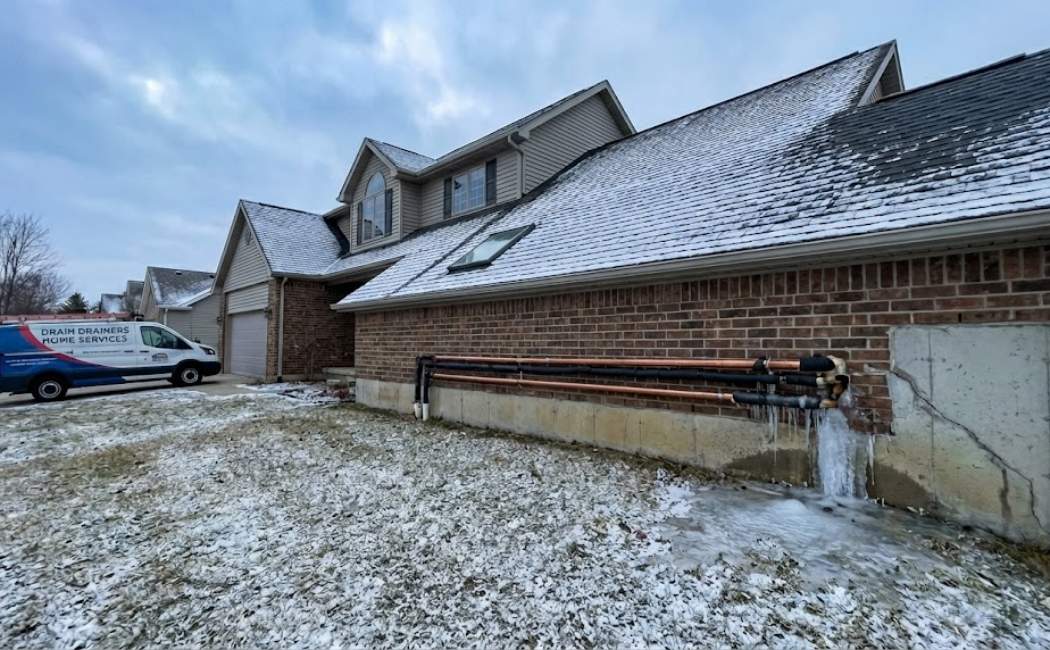
The most widespread is frozen or burst pipes. Once water is frozen in water pipes, it expands, causing more pressure on the inside of the pipe until it breaks or ruptures. Such pauses are usually not realized until temperatures increase and water begins to flow once again.
- Shifting soil and foundation stress that is a result of snowmelt is another common problem.
- The thawing of frozen ground may cause strain on the underground pipes and break or separate joints.
- Overflowing drains are a significant concern in winter, as they can also be blocked by the accumulation of leaves, debris and ice, which can limit movement, causing water to flow backward into the system and pressurize the pipes.
- Leaks may not appear to be a big problem initially, but when it occurs in cold weather, the leaks can grow so fast that they can freeze, swell and open cracks within days.
2. Early Signs of a Leak
The leakage of the richness can be easily caught early and can save thousands of dollars in repairs. Yet, some of the indicators are not apparent. Another of the initial signs is the appearance of unusual water bills or a lack of water pressure. In case the usage has remained the same, yet the cost has gone up, it can be due to a leakage that is not evident.
Water escaping behind the walls or ceilings, damp spots, mould, or water stains are all evident pointers to water being escaping behind surfaces. During winter seasons, these places can be colder than the adjacent areas. Gurgling or bubbling noises can also be heard in the drains by the homeowners, and the sounds are usually indicators of trapped air due to the blockage or damage of pipes. The manifestation of these symptoms can be the emergency drain cleaning, as in the case of backups or slow drains.
Risks of Not Addressing Winter Leaks
Leaks in winter are dangerous in the long run.
Water invasion may cause structural destruction, which weakens walls, floors, and even the foundation. Due to cold weather, moisture is likely to freeze and grow, hence increasing the damage.
The higher the time taken before leaks are cured, the higher the cost of repair. A simple repair on the pipes might involve a lot of replacement, restoration of the drywall or even foundation.
There are also health risks. The constant presence of moisture promotes the growth of mold and stagnant water that may adversely impact the indoor air quality and cause respiratory problems.
The Benefit of Professional Services
Professional leak-detecting applies advanced tools to find the trouble in a very short time without causing unnecessary harm.
Technicians use acoustics sensor, thermal scanning and pressure tests to detect the whereabouts of the leaks that are concealed behind walls or beneath the ground. Where leaks are caused by the presence of clogs, Hydro & Water Jetting Solutions CA is successful in clearing debris, grease and ice deposits, which restore the normal flow and relaxation of pipes.
Best Smoke Testing Services CA are applied to detect cracks, leaks, and faulty connections in the sewer or pipes, which are hard to find by tracing the smoke in the system.
In addition to repair, specialists also offer preventive recommendations, e.g., insulation of pipes and drainage enhancement to minimize risks in the future.
Do-It-Yourself vs Professional Detection
Self-monitoring techniques of leakage-detection, including examining meters or observing exposed pipes, are capable of detecting more obvious problems but are limited in some way. Leaks behind the walls, under the slabs or sewer lines can hardly be detected unless you have specialized equipment.
Professional inspections are quicker, safer, and much more trusted, and guesswork is reduced to the minimum, and avoidable damage caused to your property is minimized.
Most significantly, early professional identification will result in long-term savings since it prevents any leaks before they can do significant damage to water or make it necessary to make emergency repairs.
What Homeowners Should Know in January
There are various steps that homeowners can take to minimize the risk of leaks:
- Check condensation or cracking in viewable pipes, valves and drains on a regular basis.
- Unblock gutters and outside drains to avoid overflow.
- Maintain a constant indoor temperature to minimise freezing.
- Arrange regular seasonal plumbing inspections by a professional one can trust.
These are some of the simple habits that will help significantly reduce the occurrence of winter plumbing failures.
Summary Of the Blog
January leakage is usual, expensive and can be avoided. The most important thing that can save money, save the house and avoid the last-minute repair during the coldest months of the year is the early detection.
Professional Leak Detection Services has outnumbered the importance of notifying before the minor problems escalate into severe damage when you have the slightest suspicion of a problem–or when you want peace of mind. Under appropriate management and professional assistance, winter leaks would be detected on time and prevented before getting out of control.