
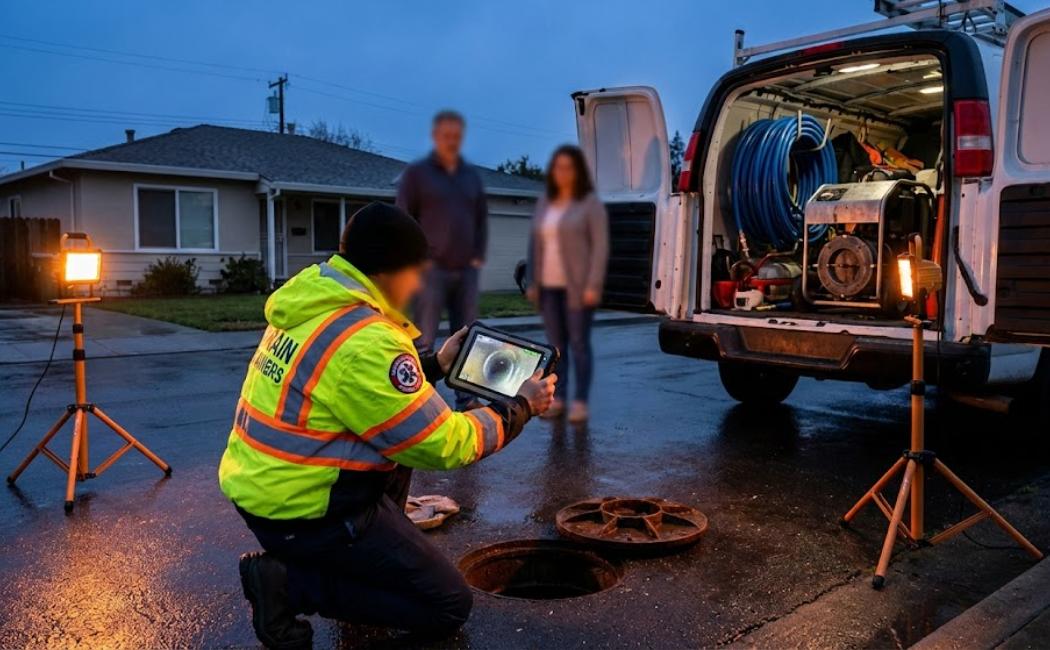
Why Fast Drain Response Matters
Drain emergencies never occur at a convenient time. Winter brings freezing temperatures, sudden sewer backups after heavy rain, and late-night toilet overflows. These issues can be very stressful for homeowners. Water damage spreads quickly. Foul smells worsen fast, too. Ignoring the problem for just a few hours can turn a simple clog into a costly repair.
That’s why fast response matters. Homeowners don’t need someone who does drain cleaning; they need a team ready to act now. Knowing what to expect before calling an emergency drain service can reduce stress. It also speeds up repairs and helps your home return to normal quickly.
Step 1: Immediate Response — What Happens After You Call
The moment you contact a 24/7 emergency drain cleaning service, the clock starts.
24/7 Phone Support
A live representative answers your call—no voicemail, no waiting until morning. This trained support team knows how to handle drain emergencies. They will guide you on what to do until help arrives.
What Details the Team Will Ask For
To dispatch the right technician and equipment, you’ll be asked:
- What symptoms are you experiencing (backups, slow drains, gurgling, overflowing toilets)
- Which fixtures are affected
- Whether you smell sewage or hear unusual sounds
- If this is a recurring issue
- Your exact location and access instructions
These details help the team determine if you’ll likely need snaking, hydro jetting, or a full camera inspection.
How Emergency Drain Cleaning Near Me Works
Modern dispatching software automatically sends the closest available technician to your home. This reduces travel time and ensures you’re not waiting hours during a true emergency.
Step 2: Arrival at Your Home | Fast On-Site Assessment
When the technician arrives, usually within a few minutes, they start a structured assessment.
Average Arrival Timelines
Most emergency calls get a response in 30 to 90 minutes. Dispatching is faster late at night or early in the morning because of lighter traffic.
Safety Checks
Before entering the work area, the technician ensures:
- No electrical hazards are present
- There is no active sewage overflow
- Floors are safe to walk on
- Any running water sources are turned off
This protects both your home and the technician.
Identifying the Affected Areas
They’ll quickly review the problem areas, such as:
- Kitchen sinks
- Bathroom drains
- Toilets
- Laundry lines
- Basement floor drains
- Main sewer line access
This helps them determine whether it’s a single clogged drain or a deeper system issue.
Step 3: Camera Inspection (If Needed) to Identify the Real Problem
Not all drain emergencies need a camera inspection. But when they do, it’s often the best way to prevent misdiagnosis.
Why Inspections Prevent Pipe Damage
A video inspection helps the technician choose the best method for the blockage. Sending a snake into a collapsed pipe can cause more damage. Also, a jetter may not be needed for a simple hair clog.
What the Camera Reveals
A high-resolution sewer camera can identify:
- Tree root penetration
- Grease buildup
- Broken or damaged pipes
- Severe clogs
- Foreign objects
- Mineral deposits in older pipes
This information ensures the fix is accurate and long-lasting.
When Video Inspection Is Skipped
For minor clogs, such as bathtub hair buildup, a camera inspection may not be necessary. The technician will recommend it only when it benefits the homeowner.
Step 4: Choosing the Right Fix — Snaking vs. Hydro Jetting
Once the problem is found, the technician picks the safest and best solution.
Quick Snaking for Minor Blockages
Snaking works best for:
- Hair clogs
- Food scraps
- Light buildup
- Toilet blockages
It’s fast, efficient, and usually solves everyday drain issues.
Hydro Jetting for Major Problems
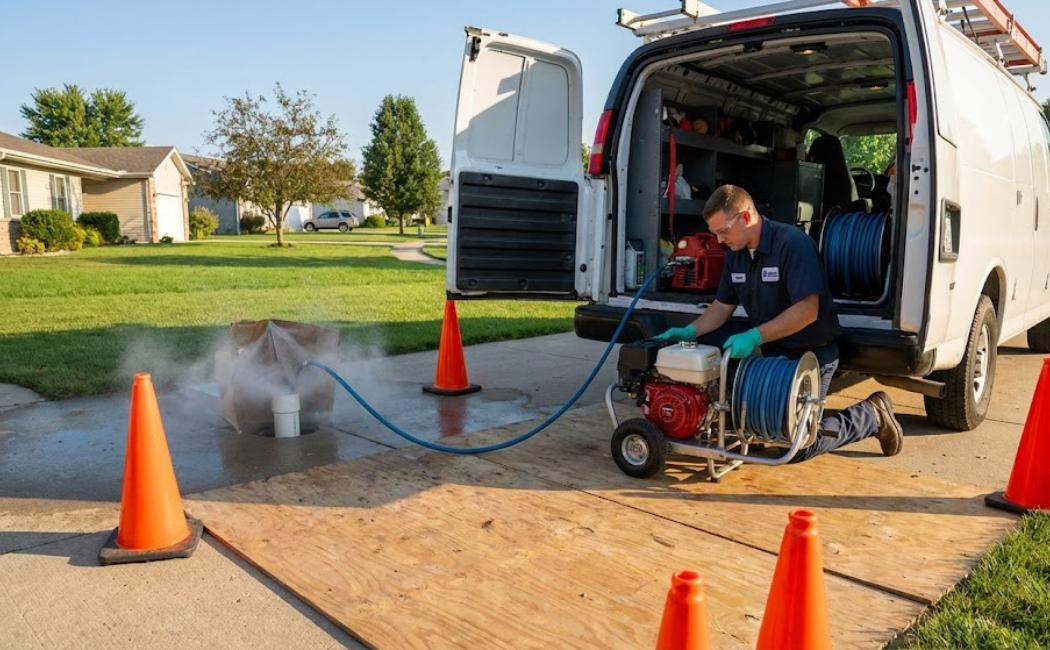
Hydro jetting is used for:
- Main sewer line backups
- Heavy grease blockages
- Recurring clogs
- Root intrusion
- Older homes with years of buildup
Using high-pressure water, hydro jetting fully clears the pipe walls and restores full flow.
How the Technician Decides
Your technician checks the pipe type, clog severity, past repairs, and nearby conditions. Then, they pick the safest method.
Step 5: Clearing the Drain — What the Actual Process Looks Like
Once the method is chosen, the real work begins.
How the Tools Work
Snakes: break up blockages using a rotating cable.
Hydro jetters: blast clogs with pressurized water.
Specialized bits are used for roots, grease, and heavy buildup.
Every tool is designed to clear without damaging your pipe system.
Noise, Time & Water Usage
Homeowners can expect:
- Moderate noise from engines and machinery
- 15–60 minutes of active drain clearing, depending on severity
- Water usage for hydro jetting (normal and safe)
Technicians are trained to protect flooring and fixtures throughout the process.
Safety Precautions
Technicians wear protective gear and ensure all wastewater is managed properly. They also follow strict safety protocols to avoid pipe damage.
Step 6: Testing & Proof — Ensuring the Drain Is Fully Restored
After clearing the blockage, the technician verifies that everything is working perfectly.
Flushing Fixtures
All connected drains are tested to ensure full flow and pressure.
Running Water Tests
They may run water for several minutes to ensure:
- No backups return
- No gurgling sounds persist
- Pressure is stable
Before/After Camera Footage
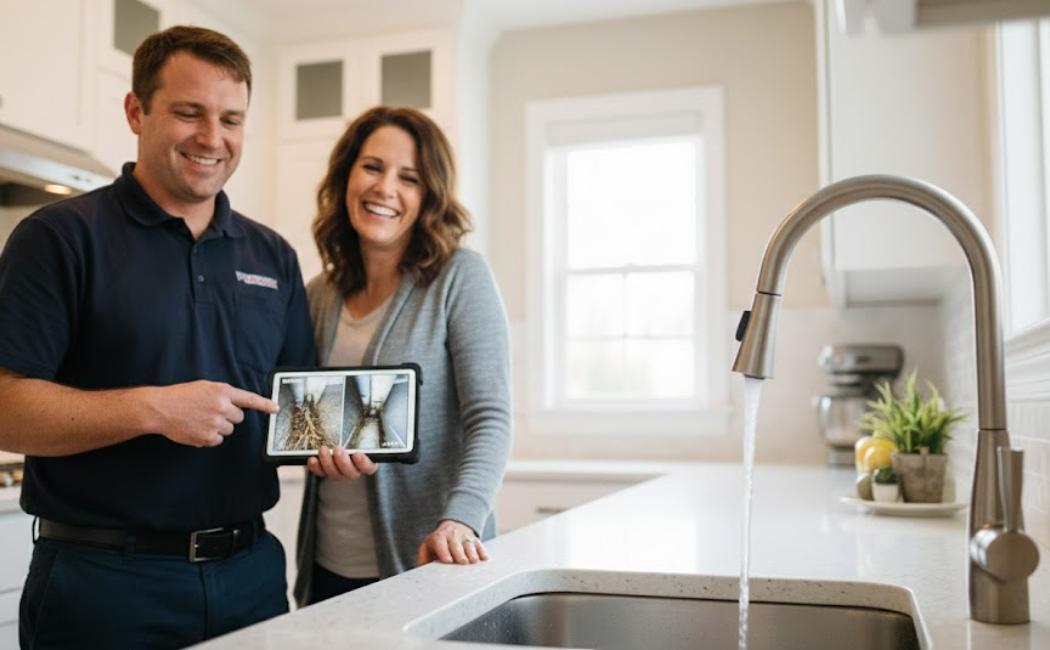
If a camera inspection was used, you’ll see real footage showing:
- What caused the clog
- How well the pipe is now cleared
- Any signs of damage, you should monitor
This provides full transparency.
Step 7: Preventive Recommendations So It Doesn’t Happen Again
An emergency fix is only part of the solution. The real value is preventing future issues.
Your technician may recommend:
- Avoiding grease disposal in sinks
- Water-softening if mineral buildup is high
- Rooter service if tree roots are present
- Seasonal winter drain maintenance
- A full sewer line cleaning schedule
These tips are personalized to your home’s plumbing system.
Signs You Need Emergency Drain Cleaning Right Now
Call immediately if you notice:
- Gurgling sinks or toilets
- Sewage smells
- Water bubbling in drains
- Multiple slow drains at once
- Backups in tubs or floor drains
Waiting can make the problem worse, especially in winter or busy months.
Most importantly: Emergency services are available 24/7.
Why Homeowners Trust Drain Drainers for Fast Emergency Drain Service
Homeowners across the region rely on Drain Drainers because we provide:
- True 24/7 dispatch — day or night
- Licensed and insured drain technicians
- Advanced hydro jetting capability
- Service throughout Santa Clara & Contra Costa
- Honest pricing, fast response, and top-grade equipment
When your drains fail, our team arrives fast with the tools needed to fix the issue the first time.
Call Now, Our Emergency Team Is Ready
We are available 24/7 for emergency drain cleaning, even on weekends and holidays. Call now at (650) 727-7558. Get fast drain response within minutes and restore your home quickly and safely.