
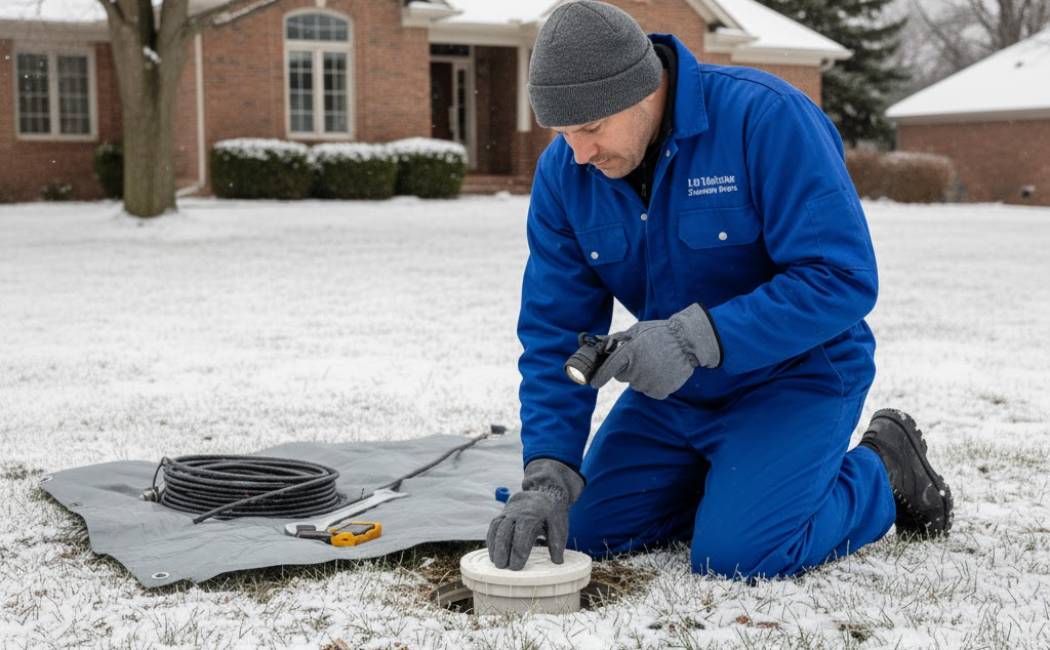
Your home’s plumbing system may suffer during winter’s harsh weather, especially the sewer line. Homeowners fear frozen pipes, but sewer issues often start before it gets cold. Cold weather puts extra pressure on the plumbing. It thickens grease buildup, slows the flow, and makes blockages worse. If you don’t act quickly, you could face expensive sewer line failures in winter.
This guide explains the warning signs that will help you identify whether your sewer line is ready for winter or not. Also, why cold weather makes these issues worse, and what you can do right now to prevent emergencies. Drain Drainers can inspect and clean your sewer line before the damage happens.
Sewer Problems Start Before the Freeze
It is not mandatory to see snow on the ground before the sewer trouble starts. As the temperature drops, fats, oils, and grease in the sewer line start to solidify, narrowing the pipe. Additionally, the tree roots begin to grow aggressively during this time in search of moisture inside old sewer lines. And in case of cracks, sagging, or partial blockage, winter conditions worsen the situation dramatically.
Why Does Winter Cause More Sewer Backups?
The winter season affects the sewer line in several ways:
- The freezing temperatures cause the oils and grease to solidify, blocking the flow.
- Ground shifting during freeze-thaw cycles can make small cracks and pipe misalignment worse.
- Extensive growth of tree roots in late autumn, entering tiny openings in sewer lines.
- More pressure due to snowmelt and rain makes backups more likely.
All these factors, along with old or worn pipes, lead to a common winter plumbing problem: a sewer line backup.
Cost Of Ignoring The Warning Signs
The slow drain might not seem urgent, but the sewer line issues can escalate quickly. Often, the homeowners ignore the early signs that end up with:
- Backups of sewage into toilets, bathtubs, or basement drains
- High cost of emergency cleanup and repair
- Mold growth and water damage
- Full sewer line replacement (instead of a simple cleaning)
Slow Drains Everywhere
Are you experiencing slower draining than usual in your kitchen sinks or bathrooms? If yes, then this is a sign that your plumbing system is struggling with keeping the flow running. Also, this indicates that your sewer line is not ready for this winter. When multiple drains are affected at once, the problem is almost always deeper in the main line.
Slow drains are usually caused by a few reasons that include:
- Grease
- Food particles
- Soap scums
- Additional waste that collects over time
These waste materials solidify in winter, narrowing the drain flow further.
A quick and temporary fix is the use of boiling water or plunging, which gives you relief for some time, but winter blockages are so stubborn that it does not get resolved with a DIY solution.
Getting professional hydrojetting services is the most effective way to remove hardened grease, sludge, and roots. It restores full flow and ensures your sewer line stays functional through the coldest months.
Gurgling Sounds From Sinks And Toilets
Hearing odd sounds from sinks and toilets is not a coincidence; it indicates that air is trapped in your sewer line. This usually happens when air cannot pass through the pipes due to an existing blockage, leaving nowhere for the trapped air to go except for the backup into your fixtures, causing bubbling or rumbling noises.
However, during winter, these noises get worse in cold weather because grease hardens, water flow slows down, and sewer vents may start to clog or freeze. The colder it gets, the more noticeable the gurgling becomes. If you hear this sound from more than one drain, it’s a sign that you should call a professional before a full backup happens.
Bad Smell From Drains
Foul odour coming from your drains is never normal, especially when they persist or become stronger in cold weather. These smells usually mean sewage gases are leaking. This happens when waste sits in the line too long. Cold temperatures cause the buildup of waste and hardening, making it harder for water to push debris through the pipes. Ignoring sewer odors can be dangerous. Odors often point to deeper issues, such as venting problems, partial blockages, or even cracks in the sewer line that allow gases to escape underground.
Frequent Clogs and Toilet Backups
If your drains are quickly backing up or clogging even after plunging, it means that the problem is rarely with the individual fixture. More commonly, your sewer line is struggling to move waste effectively.
Frequent clogs can be caused by many issues:
- tree roots growing into the pipe
- collapsed section of line
- years of grease buildup
- non-flushable materials creating a stubborn obstruction.
Winter intensifies these problems because the cold environment causes debris to stiffen and pressure inside the pipe to increase.
Scheduling a professional cleaning before winter hits can prevent these clogs from escalating into full sewer backups, which are far more difficult to manage in freezing weather.
Accumulation Of Stagnant Water Near The Outdoor
Water pooling by your sewer cleanout, in your yard, or near your basement drain shows your sewer system is struggling. Pooling water may mean there is a leak somewhere in the line or a blockage that is forcing wastewater to escape through the nearest weak point.
This situation becomes far more urgent when temperatures drop. Frozen standing water can expand, putting extreme pressure on your sewer line. A small leak can turn into a major crack, and a minor crack can lead to a total collapse.
If you see water where it shouldn’t be, especially near plumbing access points, check your sewer right away. Cold weather can make the damage worse.
Older Clay or Cast-Iron Pipes
Many older homes have clay, cast iron, or even Orangeburg sewer pipes. These materials are weak in winter. They often crack, shift, rust, and deteriorate due to temperature changes.
Clay pipes often crack over time, and tree roots can cause significant damage to them. Cast-iron pipes rust and weaken inside. This allows debris to catch and build up. When winter stresses these weakened materials, they are more likely to fail.
If your home has had sewer problems or your pipes are old, a camera inspection before winter is vital. It lets professionals check your pipes’ condition. They can then decide whether they need to clean, make repairs, or replace them.
How To Fix Sewer Problems Fast
Once you notice the warning signs, quick action is the best way to protect your home. Drain Drainers provides quick and effective ways to get your sewer line ready for winter.
Hydro jetting is a powerful cleaning method. It uses high pressure to remove grease, sludge, roots, and tough debris. Hydro jetting does more than poke holes in blockages like snaking; it cleans and restores the inside of the pipe completely.
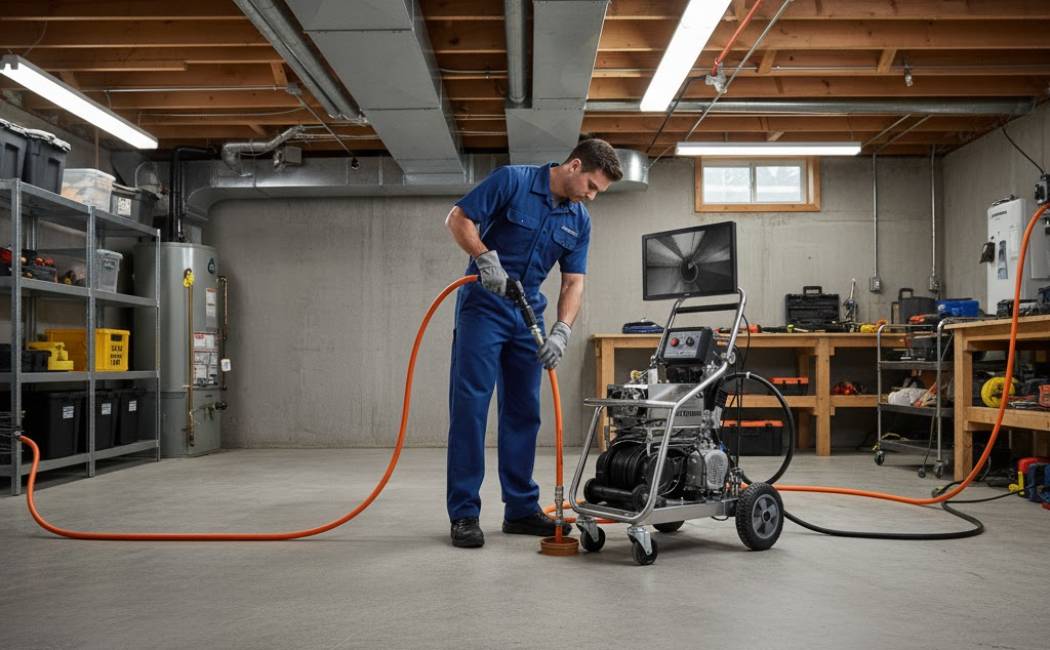
A camera inspection helps experts find cracks, dips, root intrusion, and hidden damage. It’s especially important before winter. Minor issues can escalate in severity in the cold.
If you’re facing a backup or emergency, Drain Drainers is here for you. We offer 24/7 service to fix the problem before it leads to major damage.
Final Thoughts
Winter puts stress on every part of your plumbing system, but your sewer line takes the biggest hit. Preparing it now can prevent messy, costly, and stressful emergencies later.
Drain Drainers offers free sewer line evaluations to help homeowners find problems early, when possible. Their team gets your sewer line ready for winter. They use hydro-jetting and camera inspections.Call Drain Drainers today to schedule your winter prep service. Don’t wait for the temperatures to drop. Book before the freeze hits to protect your home all winter long.